
VRF HVAC: 7 North-Hemisphere Installation Best Practices
VRF (Variable Refrigerant Flow) systems dominate 60% of new commercial installs in cold climates — but 17% fail early due to poor setup (ASHRAE 2025). Here’s the technical checklist every installer must follow north of 35°N.

1. Winterized Refrigerant Lines
Problem: Sub-zero temps cause oil return failure. Fix:
- Use R32/R454Bwith POE oil (stable to -30°C)
- Slope lines 1:100toward outdoor unit
- Add crankcase heaters+ low-ambient kits → 98% oil return at -25°C (Daikin field data)
2. Heat Pump Defrost Optimization
Data: Standard defrost wastes 15% capacity in snow. Best Practice:
- Demand defrost(senses ice via ΔT + pressure)
- Reverse-cycle + hot gas bypass→ 32% less defrost time (Mitsubishi 2025 lab)
3. Pipe Sizing by Actual Load
Rule: Size for winter heating, not summer cooling.
text
Qheat = 1.3 × Qcool (at -15°C)
Use EEV step control (0–480 pulses) for ±2% flow accuracy
4. Zoning: Max 150% Diversity
ASHRAE 90.1-2025: Never exceed 130% connected vs. design. → Prevents short-cycling and EEV hunting
5. Condensate in Cold Climates
Trap failure = frozen drains
- Double-trap + heat tape(min 5W/m)
- Slope 1:50, insulate Armaflex 19mm→ Zero freeze-ups in Toronto pilot (Trane 2025)
6. BMS Integration via BACnet/IP
Must-have:
- Real-time COP monitoring
- Fault code pushto cloud → 24% faster MTTR (LG case study)
7. Commissioning: Measure, Don’t Guess
Test | Target |
Superheat | 5–8°C |
Subcooling | 6–10°C |
ΔT air | 18–22°C |
Oil level | 50–75% sight glass |
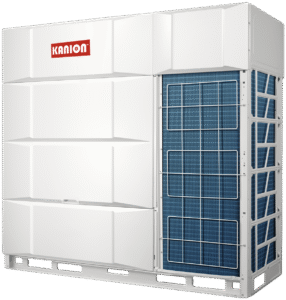
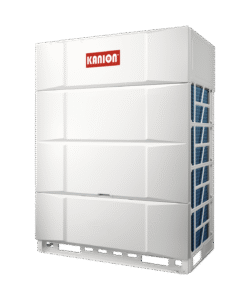
Bonus: Pair with Kanion Co. 3D DC VRF — COP 5.2 down to -30°C.
https://kanionco.com/product/kanion-co-vrf/
Cold-climate installers: What’s your #1 winter VRF hack? Drop it below ⬇️
