Contents
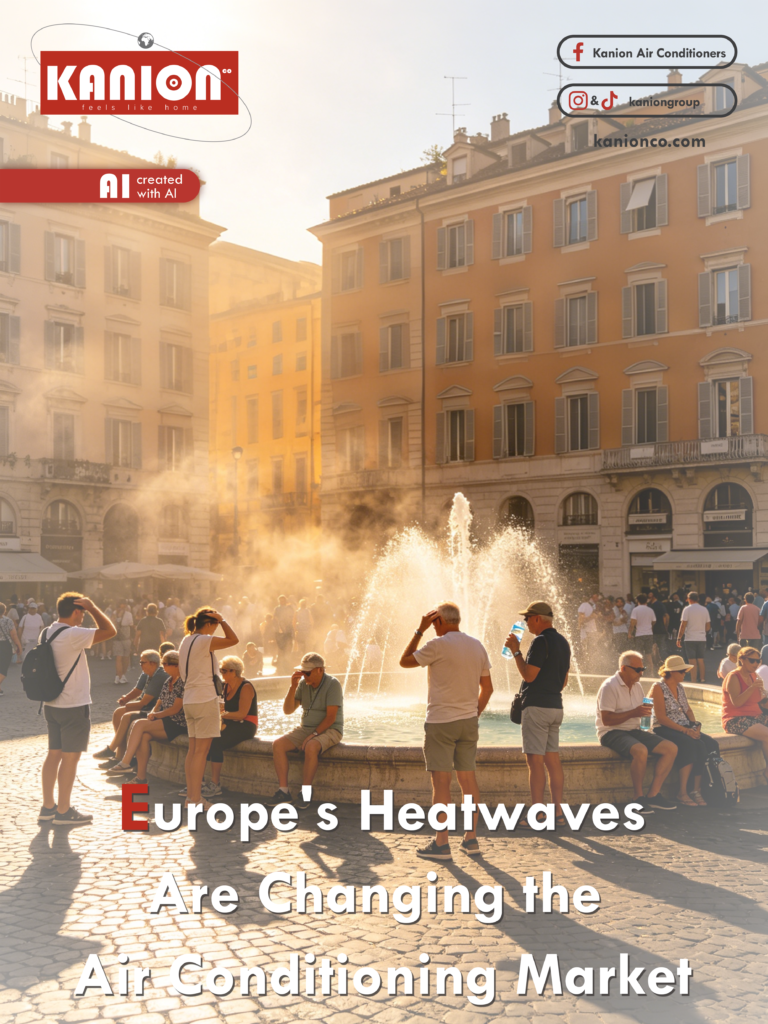
In a world where temperatures are soaring and weather patterns are becoming increasingly unpredictable, the air conditioning industry is experiencing unprecedented growth. Drawing from recent industry newsletters and market updates, this article highlights some of the most compelling trends and stories shaping the sector. From record-breaking sales in Europe and the Middle East to innovative adaptations in response to climate shifts, these developments underscore the critical role of cooling technologies in modern life.
Award-Winning Innovations Lead the Way
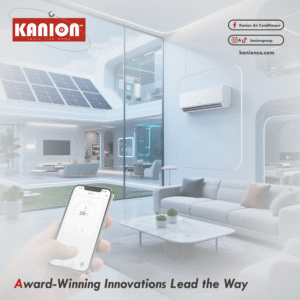
Manufacturers across the globe continue to set new benchmarks in energy-efficient cooling. Industry recognition for cutting-edge solutions reflects a strong push toward integrating smart technology in air conditioning units. These advancements not only help consumers combat rising energy costs but also signal a broader shift toward sustainable cooling options that align with global environmental goals.
For more insights into sustainable cooling, resources such as the European Heat Pump Association provide detailed reports on market growth and innovation.
Explosive Growth in AC Sales Across Heat-Stricken Regions
One of the standout themes this summer has been the dramatic increase in air conditioner sales driven by extreme weather events. In Belgium, sales surged by 17% as residents sought relief from unusually high temperatures. Similarly, Turkey saw sales double, with consumers rushing to install units amid sweltering conditions that “chilled out” the market in an ironic twist.
Further east, Jordan experienced a boom in demand for original assistant heat systems—essentially air conditioners tailored for arid climates—following intense heatwaves. In India, where record-high temperatures pushed the mercury to new limits, air conditioner and TV sales skyrocketed, reflecting a broader consumer trend toward home comfort appliances during prolonged hot spells.
Europe wasn’t spared either. Germany ordered up to 40,000 air conditioning units for public buildings to ensure worker and public safety, while Sweden reported a staggering 400% jump in AC sales as a preventive measure against heatwaves. These figures illustrate how once-temperate regions are now grappling with climate realities traditionally associated with tropical areas, prompting rapid infrastructure upgrades.
International Trends: Copper Prices and US Market Dynamics
On the international front, fluctuating commodity prices are influencing the industry. A rise in US copper prices—a key component in air conditioning manufacturing—could impact production costs and retail pricing. Despite this, demand for home air conditioners in the US remains robust, with consumers prioritizing reliable cooling amid persistent heat.
Retail innovation is also reshaping the sector. Partnerships between major electronics chains and home retailers are enhancing the shopping experience for enhanced units, making high-quality AC systems more accessible. Additionally, case studies released by market research groups highlight AI-driven growth in the sector, where smart algorithms optimize energy use and predict maintenance needs, further propelling expansion.
Weather Forecasts Signal Continued Demand
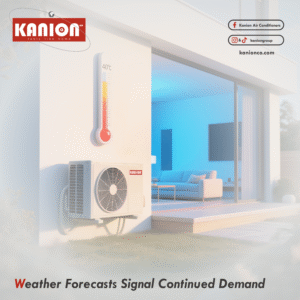
Looking ahead, weather forecasts suggest continued momentum for the industry. The US NOAA predicts a La Niña-influenced fall, potentially bringing cooler, wetter conditions to some states but hotter, drier weather to others—keeping AC units in high demand. In Portugal, ongoing heatwaves raise questions about spring-like warmth persisting into autumn, while Thailand braces for heavier monsoon rains that might shift focus to dehumidification features in AC systems.
Down under, Australia’s increased winter rains, according to emergency services, highlight the need for versatile climate control solutions that handle both heat and humidity. These predictions emphasize the industry’s overarching message: as climate change intensifies, adaptive cooling technologies will be essential for global comfort and resilience.
Conclusion
The August 2025 market updates paint a vivid picture of an industry in flux, driven by environmental pressures and technological ingenuity. Whether it’s booming sales in unexpected markets or forward-looking weather analyses, these stories offer valuable insights for anyone interested in the intersection of climate, technology, and consumer needs. As temperatures continue to rise, so too does the importance of staying ahead with innovative cooling solutions.
For a deeper dive into energy-efficient systems and real-world applications, check out the International Energy Agency’s Cooling Report.
FAQ
Q1: Which air conditioners are the most energy-efficient in 2025?
A: The most energy-efficient systems in 2025 are split air conditioners and heat pump-based units with A+++ ratings. They combine smart app control, inverter technology, and low-global-warming-potential refrigerants to reduce energy bills and environmental impact.
Q2: How will La Niña affect air conditioning demand in North America?
A: NOAA forecasts suggest La Niña will bring cooler, wetter conditions in some northern states but hotter, drier weather in the south and west. This means strong ongoing demand for both cooling and dehumidification functions.
Q3: Why are countries like Germany and Sweden suddenly seeing a boom in AC sales?
A: Once considered “cool climate” nations, both Germany and Sweden have faced record-breaking summer heatwaves in recent years. Governments and businesses are investing in AC installations for public safety, while households are increasingly turning to efficient split units and air-to-water heat pumps.
Q4: What role do copper prices play in AC markets?
A: Copper is a vital material in compressors and heat exchangers. Rising copper prices can increase production costs, which may lead to higher retail prices. Despite this, demand has remained strong, especially in the US, where reliable cooling is considered essential.
Q5: Are air-to-water heat pumps becoming more popular globally?
A: Yes. Luft-Wasser Wärmepumpen (air-to-water heat pumps) are gaining traction, particularly in Europe, because they provide both heating and cooling while aligning with renewable energy targets. They are expected to be a top choice for sustainable building retrofits in the coming years.