Contents
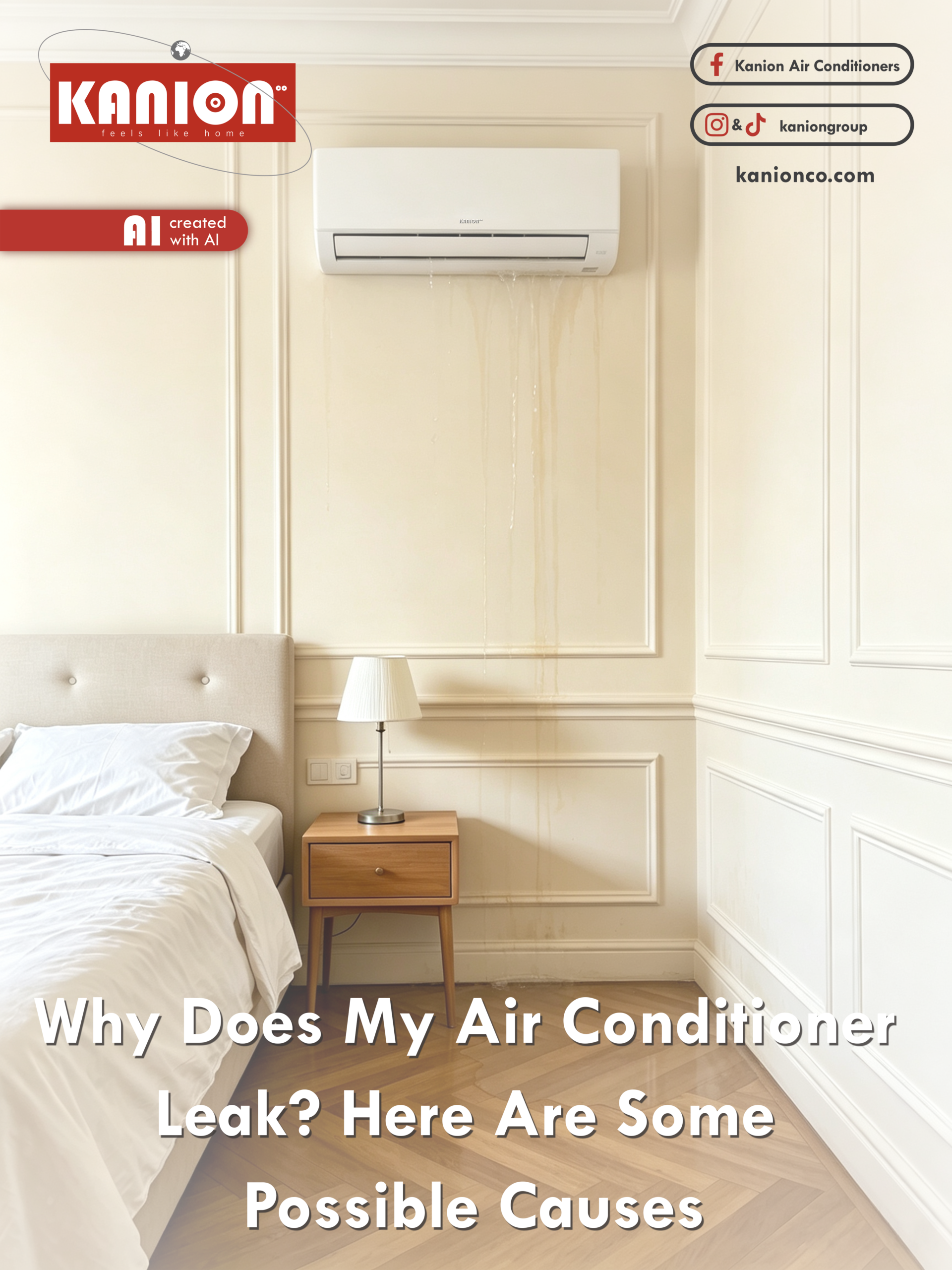
You turn on your air conditioner as usual, but after a few hours you find the indoor unit leaking water. This is puzzling—you naturally think there’s something wrong with the air conditioner.
Air conditioner leaks don’t always mean a system malfunction. More often, it’s caused by drainage problems, airflow obstruction, or installation issues, which only become apparent over time.
Users are increasingly aware of air conditioner leaks as a first step to avoid unnecessary repairs and ensure the system operates efficiently throughout the cooling season.
Is It Normal for an Air Conditioner to Produce Water?
Yes. In fact, every air conditioner produces condensation while cooling.
When warm indoor air flows through the evaporator coils, the moisture in the air condenses. This condensate collects inside the air conditioning unit and is drained outdoors through the condensate drain pipe.
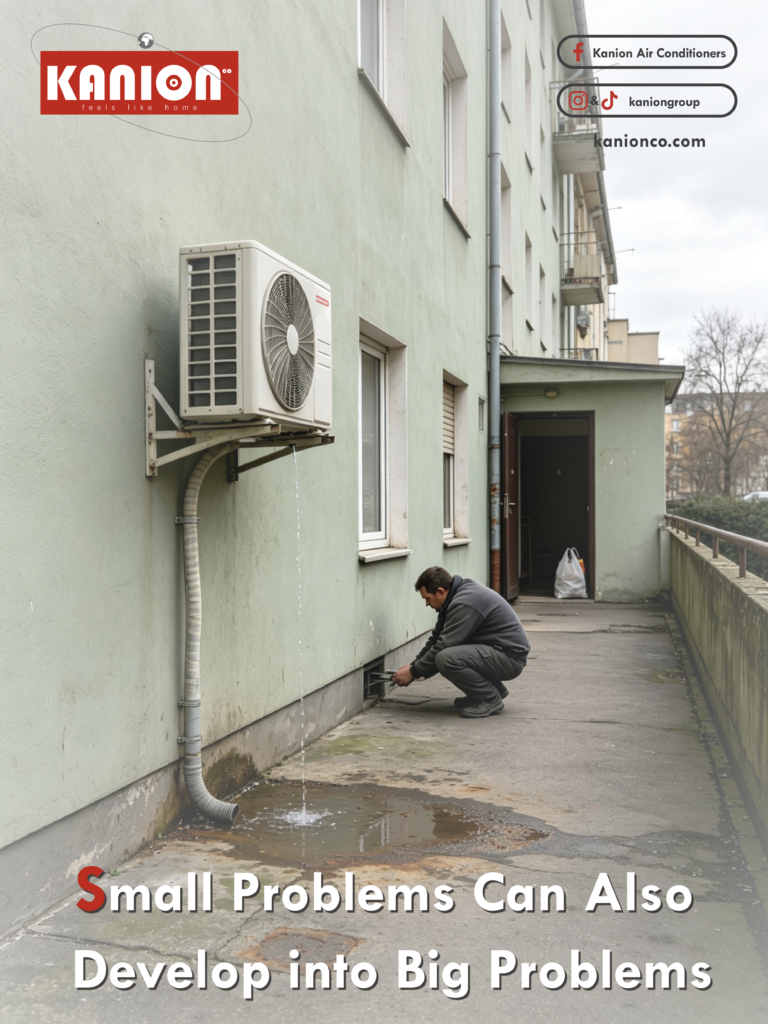
So when you see water dripping from the outdoor drain pipe, it means the drainage system is working properly.
If water seeps into the room, the opposite is true. This means the condensate drainage is blocked.
Why Does My Air Conditioner Leak? Check the Drain Pipe First
If you can only check one place first, it’s recommended to start with the condensate drain pipe.
Over time, dust, dirt, algae, and even small insects in the air can partially clog the drain pipe. Slowly, water will accumulate in the drip tray instead of flowing outside. Eventually, the excess water will find another way to drain—usually through the indoor unit.
A simple way to determine this is to check the outdoor drain pipe. If the indoor unit leaks, but almost no water flows from the outdoor drain pipe, the drain pipe is likely clogged.
Don't Ignore a Dirty Air Filter
A dirty air filter is often easily overlooked, but it can cause more problems than most people realize.
When airflow is obstructed, the evaporator coils will cool below normal levels and may even begin to freeze. When the ice melts, the drainage system has to handle significantly more water than usual, greatly increasing the risk of leaks.
Keeping the filter clean not only prevents the intake of more dust mites but also helps the entire cooling system operate more efficiently.
The Importance of Proper Installation Is Far Greater Than Many People Realize
Even the best-designed air conditioner requires proper installation to function correctly.
When the indoor unit is not level or the drain pipe is misaligned, condensate cannot flow into the drain pipe as expected. Instead, it accumulates inside the indoor unit, eventually leading to overflow.
This is why professional installation is crucial for ensuring the long-term stable operation of the system. High-quality products and high-quality installation should always complement each other.
Sometimes, Weather Is Also a Contributing Factor
Have you noticed that leaks only occur in extremely hot or humid weather?
This is not uncommon.
The higher the air humidity, the greater the load on the air conditioning dehumidification system. During periods of sustained high temperatures or rainy seasons, the air conditioning system naturally produces more condensate than usual.
These conditions can make small problems more noticeable if the drainage system itself is partially blocked.
Small Problems Can Also Develop Into Big Problems
When the air conditioner is cooling normally, it’s easy to overlook slight drips. However, leaks within a building are absolutely unacceptable.
If not addressed promptly, persistent leaks can damage walls, ceilings, floors, or nearby electrical components. In some cases, leaks can also create ideal conditions for mold growth.
If the problem persists after cleaning the air filter, or if the leak continues, the safest course of action is to have a qualified HVAC technician inspect the system.
Several Simple Habits to Prevent Most Leaks
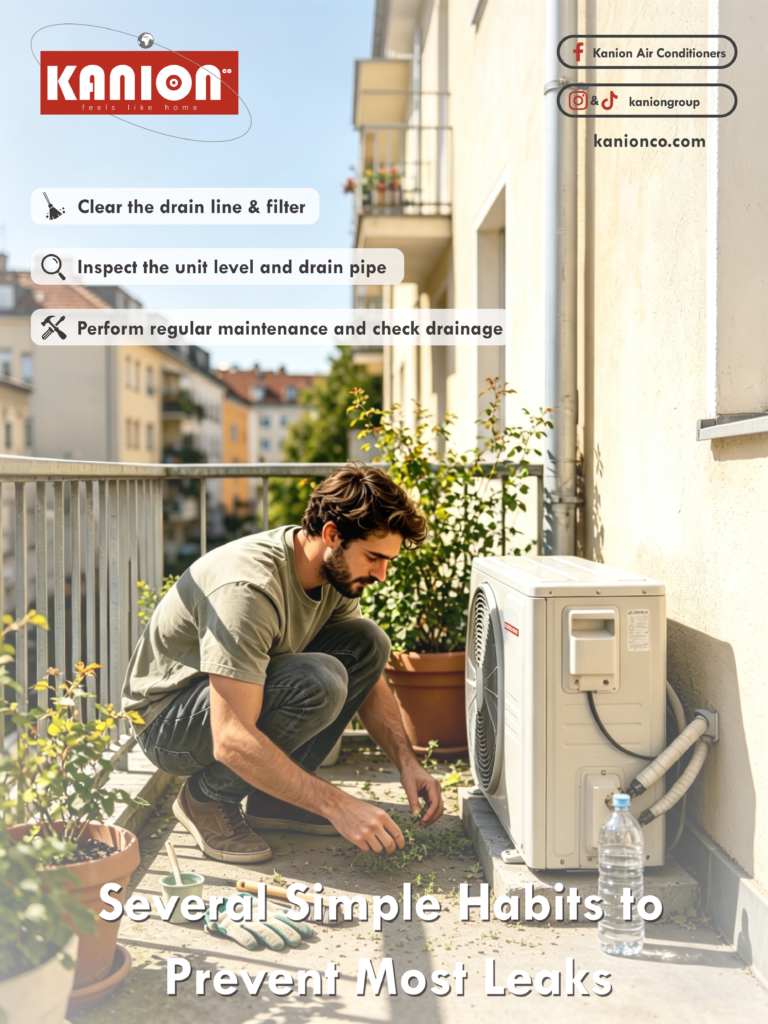
Many common leaks are preventable.
Regularly cleaning the air filter, keeping the condensate drain line clear, and scheduling routine maintenance before peak cooling seasons all help reduce the risk of drainage problems.
Proper installation is also crucial. Correct duct routing, adequate insulation, and accurate unit placement ensure efficient condensate drainage, guaranteeing long-term reliable operation of the air conditioner.
Before choosing a new system, you may also find our Air Conditioner BTU Chart helpful. You can also learn more about air conditioner maintenance from the U.S. Department of Energy.