Contents
Air Conditioning Trends 2026 are reshaping how global buyers choose HVAC systems.
A few years ago, most buyers focused mainly on cooling capacity, price, and brand reputation when choosing an air conditioner. By 2026, however, the priorities have clearly shifted. Distributors are now concerned about refrigerant compliance, project developers pay closer attention to long-term operating costs, and end users want smarter, more energy-efficient systems.
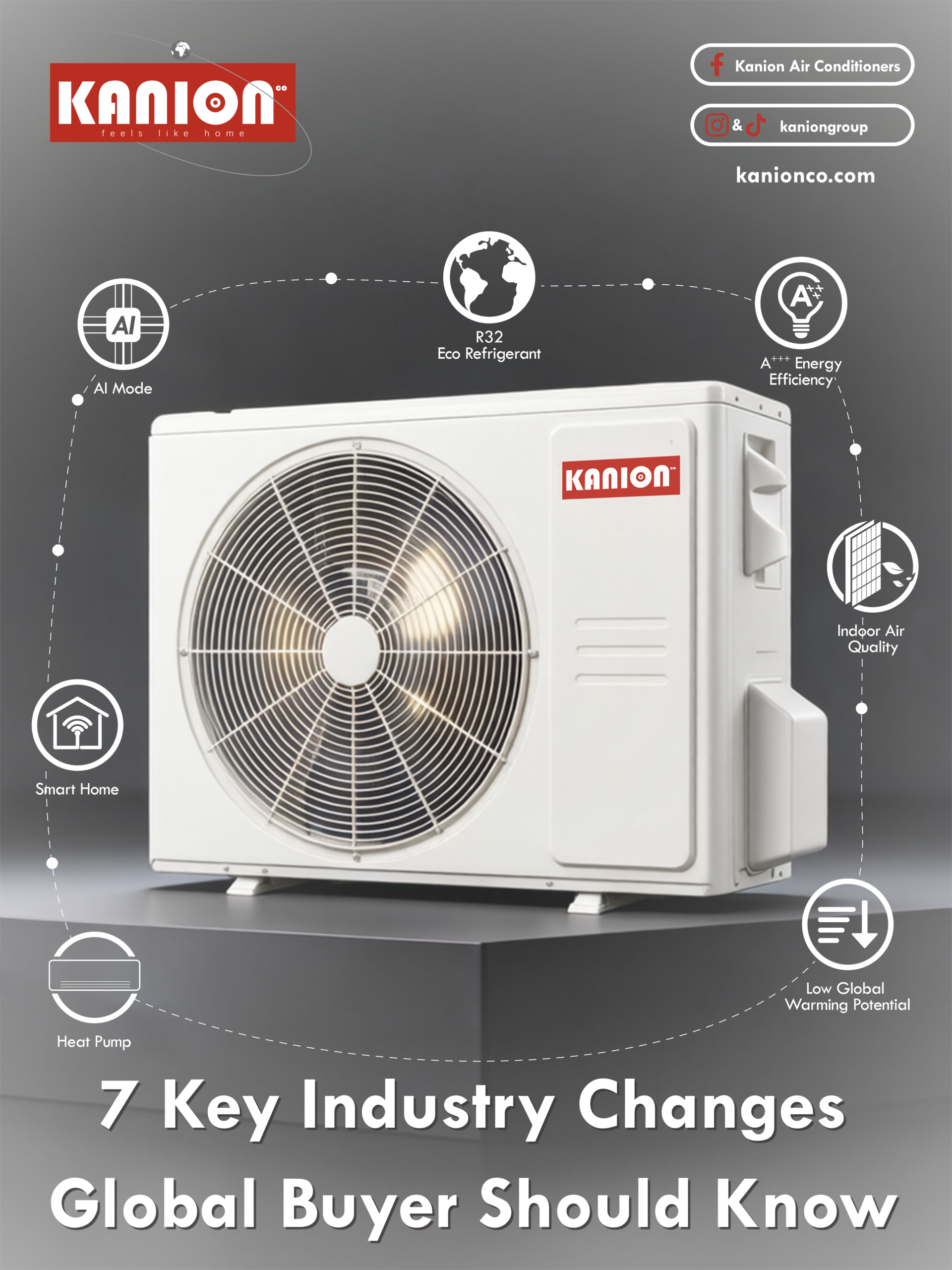
The air conditioning industry is going through rapid changes, and these shifts can no longer be ignored by global buyers. Here are seven key trends worth paying attention to in 2026.
Air Conditioning Trends 2026: The 7 Biggest Changes
1. The A2L Refrigerant Transition Is Accelerating
For many distributors, refrigerant selection has become one of the most discussed topics in recent years. In some markets, buyers even ask whether a system uses R-32 before they are willing to discuss price or specifications.
High-GWP refrigerants such as R-410A are being phased out more quickly, driven by tightening environmental regulations and rising efficiency standards. In 2026, lower-GWP A2L refrigerants like R-32 and R-454B have become the mainstream choice for most residential and light commercial split systems. These refrigerants maintain strong cooling performance while significantly reducing environmental impact, though they require updated safety sensors, technician training, and adjusted installation practices.
R-290 (propane) is also gaining traction in smaller applications due to its extremely low GWP and good efficiency.
Why this matters
The refrigerant you choose today will directly affect future serviceability, parts availability, and regulatory compliance.
2. AI-Powered Air Conditioning Is Becoming Mainstream
AI is no longer just a marketing feature. Modern systems can now learn user habits, adjust output based on occupancy and weather conditions, optimize operating schedules, and even predict maintenance needs before problems occur.
In commercial buildings with fluctuating occupancy, these capabilities can deliver noticeable energy savings while improving overall system performance. Features that were once limited to high-end projects are now quickly becoming standard across multiple product segments.
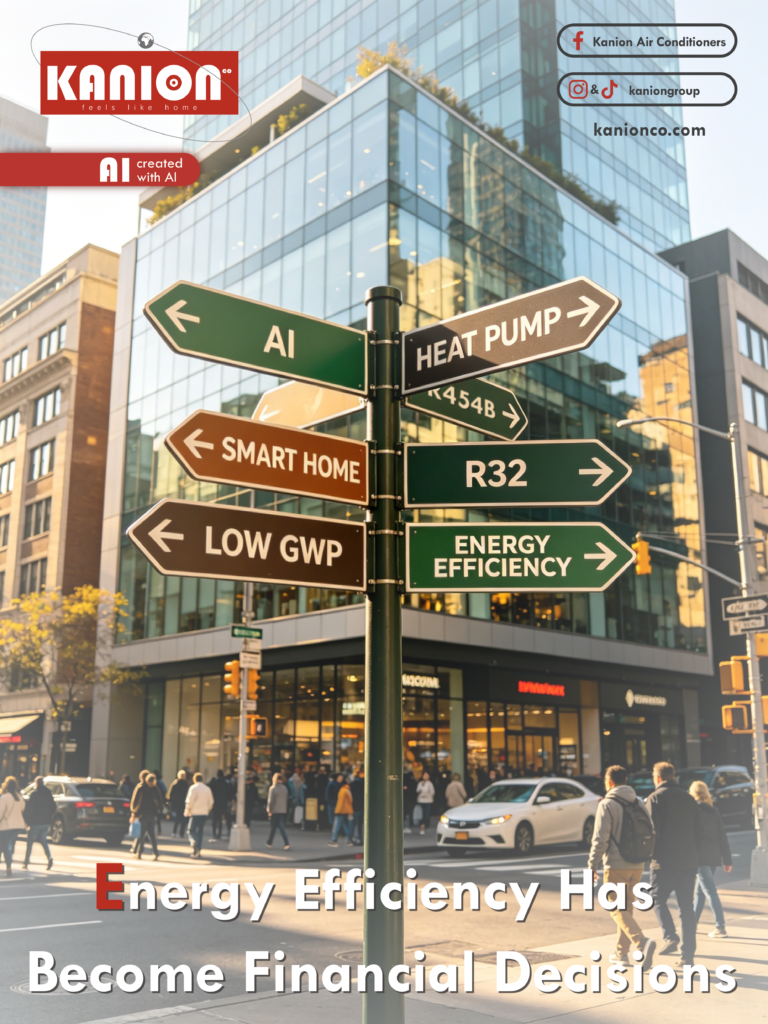
3. Energy Efficiency Has Become a Financial Decision
Five years ago, many customers focused primarily on the upfront purchase price. Today, especially in Europe and parts of the Middle East, rising electricity costs have made buyers much more aware of long-term operating expenses.
High-efficiency inverter systems with strong SEER2 or A+++ ratings may cost more initially, but they often deliver significant savings over five to ten years of operation.
On the other hand, a lower-priced fixed-speed unit might seem attractive at first, but monthly energy bills can quickly change the equation.
Energy efficiency is no longer viewed only as a technical specification — it has become a financial decision.
4. Smart Connectivity Is No Longer Optional
Buyers now expect air conditioners to integrate fully with mobile apps, voice assistants, smart home ecosystems, and Building Management Systems (BMS). Remote monitoring, real-time energy tracking, automated scheduling, and fault diagnostics have moved from “nice-to-have” to baseline requirements.
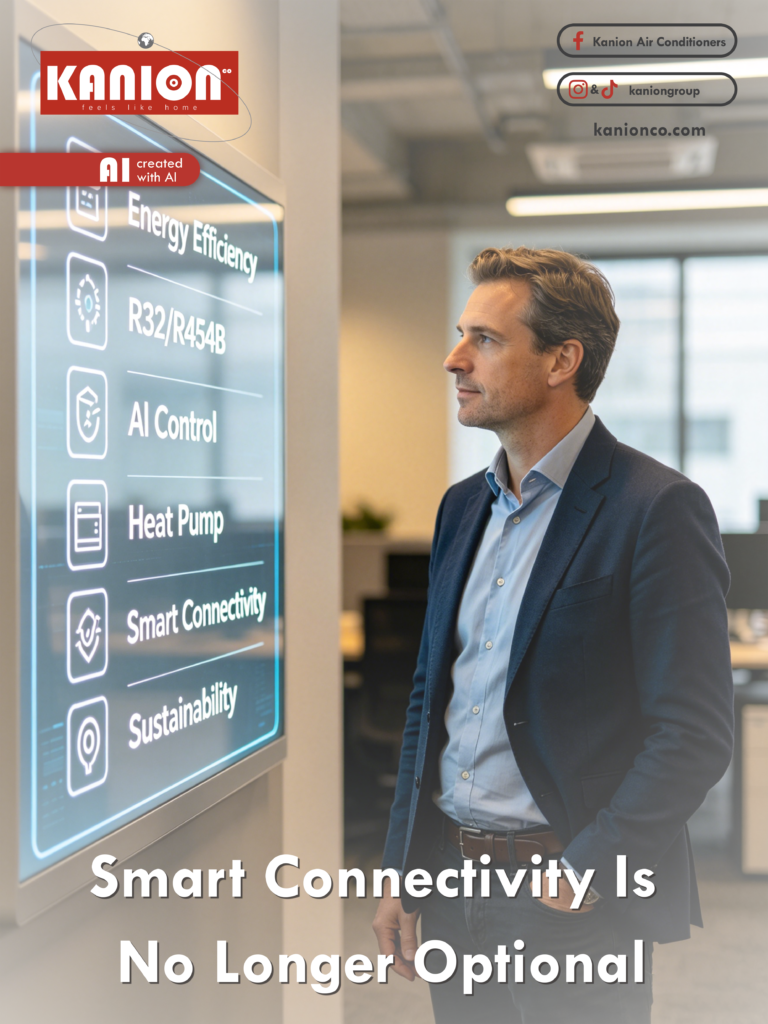
This is especially true for property managers and commercial operators, who increasingly prefer to monitor multiple systems remotely rather than relying on frequent on-site inspections.
5. Heat Pump Adoption Continues to Expand Worldwide
Heat pumps that provide both cooling and heating in a single system are gaining popularity across global markets. Advances in inverter technology and improved performance in cold climates have expanded their applicability well beyond traditional regions. At the same time, government policies promoting electrification and carbon reduction continue to support adoption.
For many buyers planning long-term investments, heat pumps have become a serious alternative to conventional HVAC systems.
6. Indoor Air Quality and Sustainability Are Rising Priorities
Cooling performance alone is no longer enough. Homeowners, businesses, and public-sector buyers are placing greater emphasis on indoor air quality, especially in densely populated urban environments.
Advanced filtration, humidity control, fresh air ventilation, and air quality monitoring features are becoming increasingly important purchasing factors. At the same time, sustainability considerations — including refrigerant selection, energy consumption, recyclability, and product lifespan — are playing a larger role in procurement decisions and project specifications.
7. Buyers Are Looking Beyond Brand Names
Perhaps the most significant shift in 2026 is how purchasing decisions are being made. Brand reputation remains important, but it is no longer enough to determine success or failure.
Many buyers are now willing to consider products from emerging manufacturers, as long as they offer better efficiency, stronger technical support, or a more competitive total cost of ownership. Buyers have become more pragmatic.
The new question is clear:
“Will this solution still deliver strong value in 2032?”
Looking Ahead
The air conditioning industry in 2026 is being shaped by sustainability, digital intelligence, and stricter regulations. From the widespread adoption of low-GWP refrigerants to smarter and more efficient systems, the pace of change is clear.
At Kanion Co, our product strategy is aligned with these industry directions. We focus on high-efficiency inverter systems, compliant low-GWP refrigerants such as R-32 and R-454B, and practical smart technologies designed for global markets. Whether you are outfitting homes, commercial spaces, or large-scale projects, understanding these trends will help you make decisions that continue to deliver value for years to come.
The systems installed today will impact operating costs, maintenance requirements, and compliance decisions for many years ahead.
Frequently Asked Questions (FAQ)
What is the biggest air conditioning trend in 2026?
One of the most significant trends is the transition to lower-GWP refrigerants such as R-32, R-454B, and R290. These refrigerants help reduce environmental impact while supporting compliance with evolving regulations.
Why are inverter air conditioners becoming more popular?
Inverter air conditioners adjust compressor speed according to cooling demand, reducing energy consumption and improving temperature stability. This can lead to lower operating costs compared to traditional fixed-speed systems.
Are AI-powered air conditioners worth considering?
AI-enabled systems can optimize cooling schedules, improve energy efficiency, and help identify maintenance issues early. As the technology becomes more affordable, it is increasingly appearing in mainstream products rather than only premium models.
Is R290 replacing R32?
Not entirely. R290 is gaining popularity in specific applications due to its extremely low GWP, while R32 remains one of the most widely used refrigerants for residential and light commercial systems. Both are expected to play important roles in the coming years.
What should buyers look for when choosing an air conditioner in 2026?
Key factors include refrigerant compliance, energy efficiency ratings, smart connectivity features, product reliability, warranty support, local service availability, and total cost of ownership over the system’s lifetime.
Are heat pumps a good investment for the future?
In many regions, yes. Heat pumps provide both heating and cooling, offer strong energy efficiency, and align with growing electrification and sustainability initiatives. Their versatility makes them an increasingly attractive long-term solution.