Contents
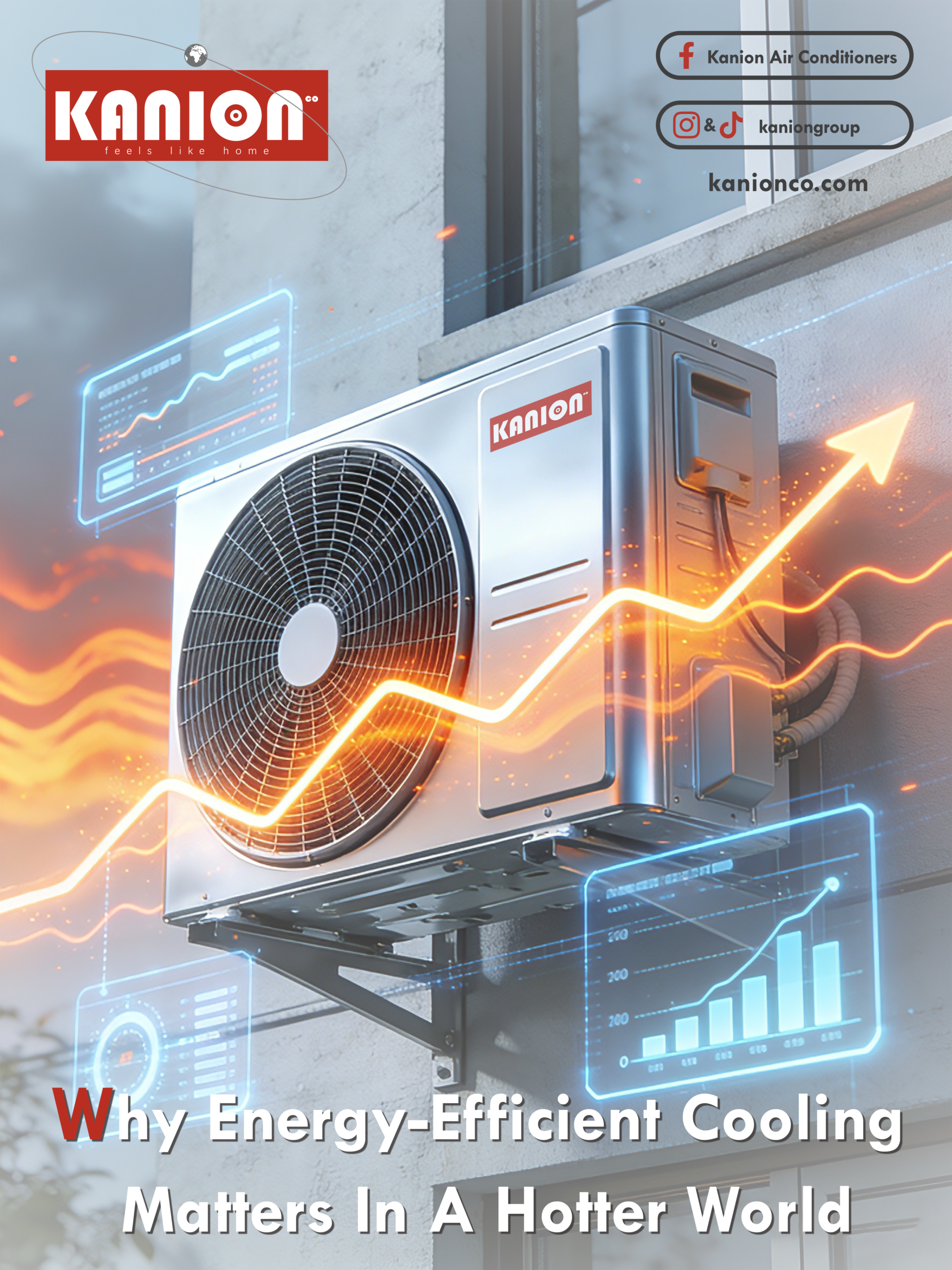
As extreme heat becomes more frequent, energy-efficient cooling is no longer just a product advantage. It is becoming a practical necessity for homes, businesses, and cities trying to stay comfortable while managing energy costs and grid pressure.
The climate trend is already reshaping how people think about indoor comfort. In many regions, summers are becoming longer, hotter, and more demanding. Heat waves are arriving earlier, lasting longer, and putting more pressure on buildings, public infrastructure, and electricity systems. As a result, cooling is no longer viewed as a seasonal convenience in many markets. It is increasingly seen as an essential part of everyday living, business continuity, and building performance.
At the same time, cooling demand is rising quickly across both developed and emerging markets. More households want reliable air conditioning. More offices, retail spaces, and commercial buildings depend on consistent indoor temperatures. More cities are facing the challenge of keeping people safe and productive during periods of extreme heat. This shift is changing the role of HVAC worldwide.
For Kanion Co, the message is clear: in a hotter world, cooling must become not only more accessible, but also smarter, more efficient, and more resilient.
Key Takeaways: Why Energy-Efficient Cooling Matters
- More frequent extreme heat is increasing cooling demand worldwide.
- Cooling is becoming a bigger part of electricity use and peak power demand.
- Efficient HVAC systems can help reduce energy waste while maintaining indoor comfort.
- Buyers are paying more attention to long-term operating value, not only upfront cost.
- In a hotter world, energy-efficient cooling is becoming a strategic necessity.
Q&A: Quick Insights into Cooling Demand and Heat Waves
Q1: Why is cooling becoming more important globally?
Because hotter summers, more frequent heat events, urban growth, and higher comfort expectations are increasing the need for indoor cooling in residential, commercial, and public buildings.
Q2: Is cooling really a major driver of electricity demand?
Yes. As temperatures rise, air conditioners run longer and more often, especially during daytime peak hours. This makes cooling one of the most important drivers of summer electricity demand in many markets.
Q3: Why does efficiency matter so much now?
Because more efficient cooling can help control operating costs, reduce unnecessary energy waste, and lower pressure on power systems during heat waves.
The World Is Getting Hotter — and Cooling Demand Is Rising
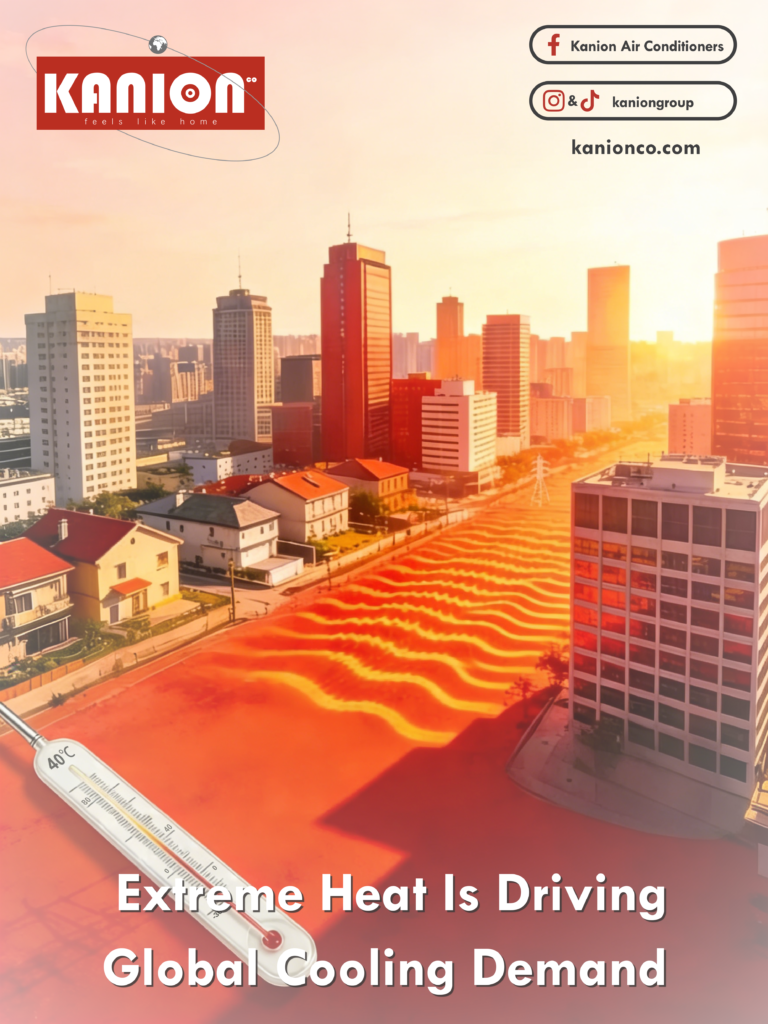
The world is entering a new era of climate pressure, and cooling demand is rising with it. What once felt like an occasional summer challenge is becoming a more permanent feature of modern life. For homeowners, that means a greater need for comfort and protection during hot weather. For businesses, it means stronger pressure to maintain safe, stable, and productive indoor spaces. For cities, it means a growing energy and infrastructure challenge.
This is especially important in regions where cooling adoption is still expanding. As incomes rise and urbanization continues, more buildings are gaining access to air conditioning. That creates opportunity for the HVAC industry, but it also raises an important question: how can the world meet growing cooling demand without creating unsustainable energy pressure?
That is where efficient technology becomes essential.
Why Energy-Efficient Cooling Matters More Than Ever
When temperatures rise, cooling demand naturally follows. But more cooling does not automatically mean better outcomes. If cooling systems are inefficient, the result can be higher electricity bills, more strain on the grid, and greater long-term operating pressure for building owners and users.
This is why energy-efficient cooling matters more than ever. Efficient systems help deliver comfort while using energy more responsibly. They reduce unnecessary electricity consumption, improve performance, and create better lifecycle value over time. In a market where energy costs and climate pressure are both rising, this makes a major difference.
For many buyers, the value of HVAC is now being judged not only by how well a system cools, but by how efficiently it performs over time. This shift is changing expectations across the industry. Efficiency is no longer a premium extra for selected projects. It is becoming a practical baseline for future-ready cooling.
Heat Waves, Peak Demand, and Grid Pressure
Cooling is not only a comfort issue. It is increasingly a power-system issue as well.
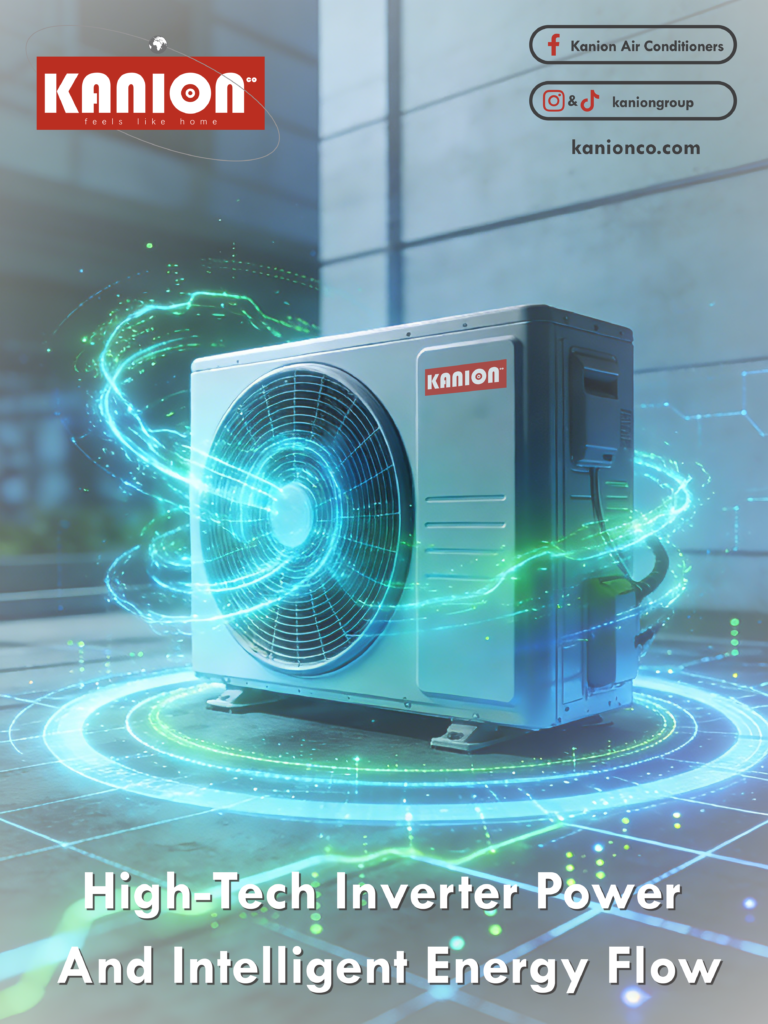
During heat waves, millions of systems may run at the same time, especially in the afternoon and early evening when outdoor temperatures remain high and people return home. This creates strong pressure on local power grids and increases the risk of system stress during extreme weather. In many markets, air conditioning is now one of the main contributors to summer peak demand.
That has important implications for the future of HVAC. Efficient cooling technology can help reduce this pressure by delivering better performance with less energy waste. In simple terms, smarter and more efficient systems help support both individual users and wider electricity networks.
This is one reason why efficient air conditioning matters beyond the building itself. It contributes to a larger conversation about energy resilience, climate adaptation, and responsible growth.
What This Means for HVAC Buyers and Building Owners
For buyers, the market is changing. The decision is no longer only about buying a unit that can cool a room or a building. It is about choosing a system that can continue to perform well under rising temperatures, longer cooling seasons, and greater energy pressure.
That means long-term operating cost is becoming more important. So is product reliability. So is the ability to deliver stable comfort without excessive energy use. In residential markets, this affects household expenses and daily comfort. In commercial buildings, it affects operating budgets, tenant satisfaction, and business continuity.
As a result, more buyers are looking beyond the lowest upfront price. They are paying closer attention to lifecycle value, efficiency, and long-term competitiveness.
Smarter Cooling in a Changing Climate
The future of cooling is not simply more equipment. It is better technology.
Smarter control systems, improved system design, inverter-driven performance, and more intelligent product integration are becoming increasingly important in a hotter world. Efficient cooling solutions are not only about reducing electricity use. They are also about delivering a better overall response to changing conditions.
In markets where heat waves are becoming more intense and electricity prices are rising, this shift is especially relevant. Cooling systems must now do more than provide basic comfort. They must help users manage cost, respond to climate pressure, and maintain reliable indoor performance over longer and more demanding seasons.
This is why smart HVAC solutions are becoming more central to the future of the industry.
Kanion Co: Building More Efficient Cooling for the Future
At Kanion Co, we see energy-efficient cooling as a practical response to a changing climate and a changing market. As heat becomes a more frequent challenge, customers need systems that can deliver strong performance, lower unnecessary energy use, and support long-term value.
That is why Kanion Co focuses on energy-efficient HVAC, smarter product design, and reliable real-world performance. We believe the future of cooling belongs to solutions that are not only powerful, but also efficient, adaptable, and ready for long-term demand.
In a hotter world, customers need more than cooling alone. They need cooling that works intelligently, performs consistently, and helps meet the challenges of a changing environment.
The Future of Cooling Is Efficient
The rise in extreme heat is changing the role of air conditioning worldwide. Cooling is no longer just about comfort during a few hot weeks each year. It is becoming a central part of how buildings stay livable, productive, and resilient.
As cooling demand continues to rise, the real challenge is not whether more cooling will be needed. It is how that cooling will be delivered. In that future, energy-efficient cooling will matter more than ever — for households, for businesses, for cities, and for the wider energy system.
And for the HVAC industry, that future will belong to solutions that combine comfort with efficiency, performance with resilience, and growth with responsibility.