Contents
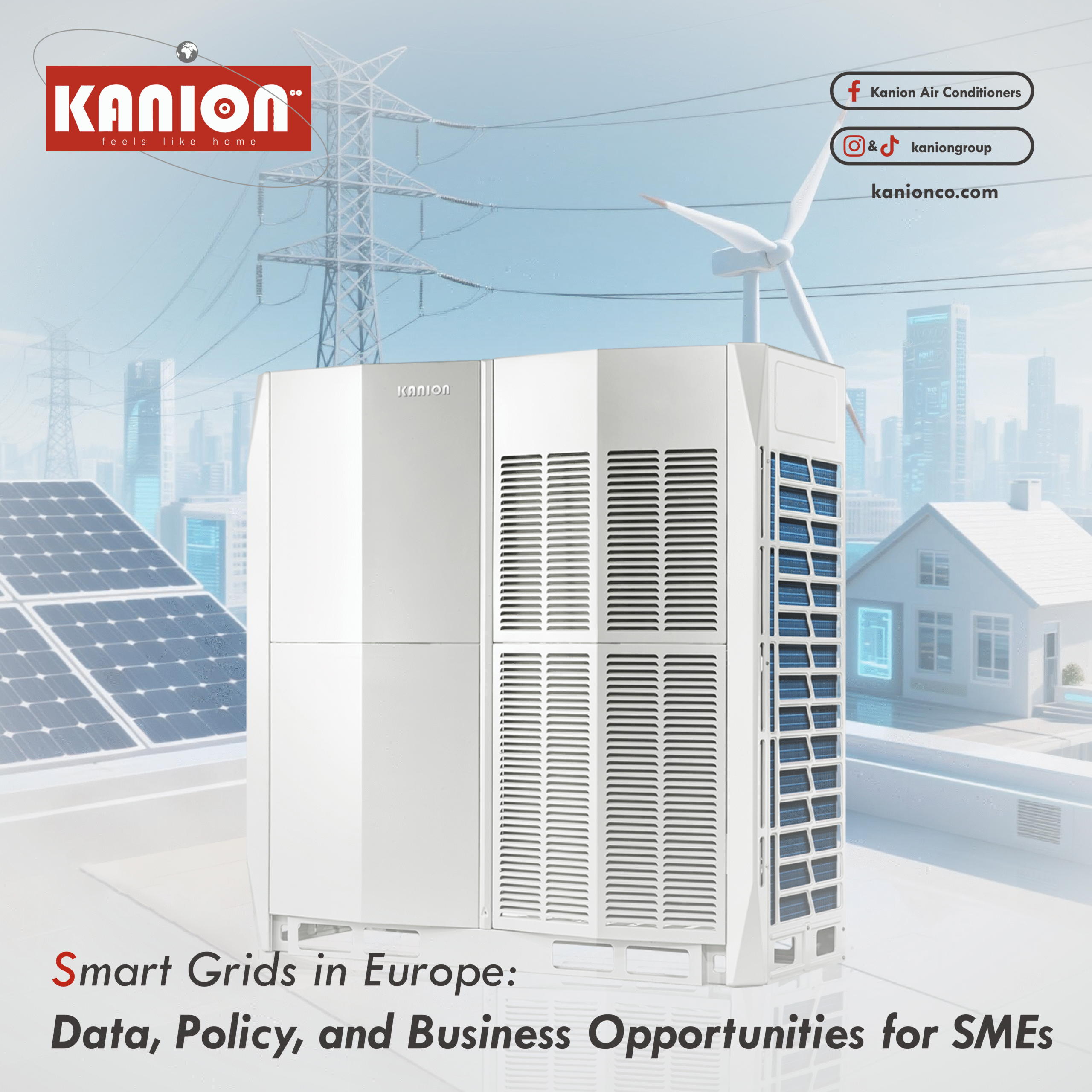
Europe’s electricity grids are at a critical juncture. With renewables projected to comprise 69% of generation by 2030 (IEA), the grid must evolve beyond being merely wires and substations; it needs to become intelligent, flexible, and digital. This transformation, known as the smart grid, is receiving significant investment across the continent.
What Makes a Grid “Smart”?
Smart grids utilize digital communication, sensors, and automation to transform the traditional one-way system into a dynamic, two-way, real-time network. Key benefits include:
- Real-time balancing of wind and solar power
- Faster outage detection and repair: 40% less downtime compared to legacy grids
- Empowerment of prosumers: Households and businesses can sell energy back to the grid
- Enhanced demand management: Devices can respond to real-time price signals
Imagine Europe’s electricity system functioning as efficiently as the internet—this is the vision of smart grids.
Investment Landscape
According to the European Commission, an estimated €584 billion must be invested in grids by 2030, with €170 billion allocated specifically for smart and digital technologies.
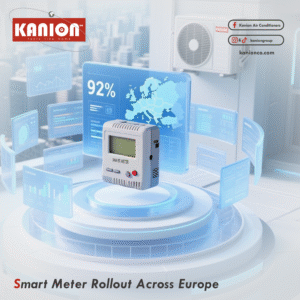
- Smart meter penetrationis expected to reach 92% by 2030 (up from ~55% in 2022).
- Flexibility marketscould generate €11 billion annually by 2030 (Eurelectric).
- An annual investment of €50–60 billionin grid infrastructure is required.
Smart Meter Rollout Across Europe
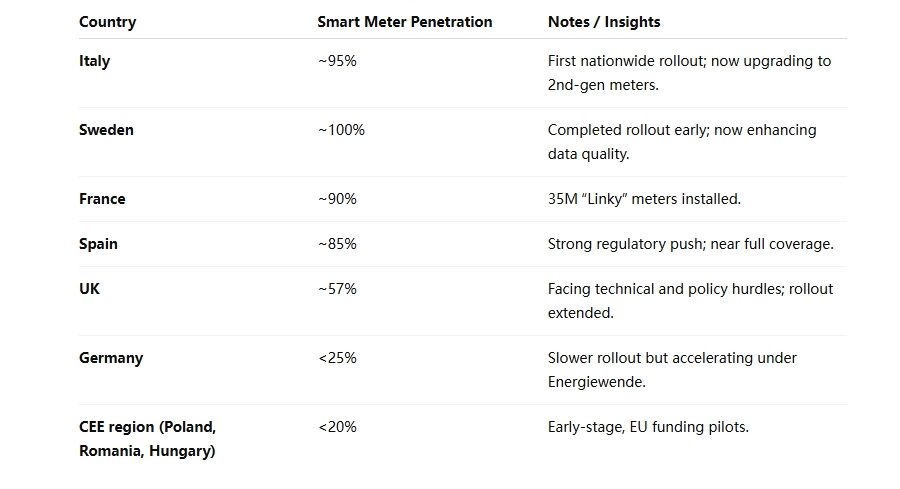
💡 Insight: While northern and western Europe approach full adoption, SMEs in Central and Eastern Europe are beginning to explore opportunities in energy efficiency and smart control solutions.
Why Smart Grids Matter for SMEs
For Europe’s 23 million SMEs, electricity costs represent a significant operational expense. Smart grids and flexible pricing present opportunities for:
- Cost savings: Shift energy loads to off-peak hours.
- Energy independence: Prosumers can sell excess energy back to the grid.
- Increased resilience: Faster fault detection reduces costly outages.
- Sustainability branding: Consumers increasingly favor businesses using green energy solutions.
Conclusion
By 2030, Europe’s electricity system will be smarter, more flexible, and interactive. This transformation offers SMEs innovative ways to reduce energy costs and enhance competitiveness. For HVAC and air conditioning companies, the smart grid transition presents a pivotal opportunity to support Europe’s green energy goals while ensuring businesses remain comfortable and efficient.
At Kanion Co., this is viewed not just as a challenge, but as a significant business opportunity.
FAQ
What is a smart grid, and how does it differ from a traditional grid?
A smart grid uses digital communication, sensors, and automation to create a dynamic, two-way, real-time electricity network. Unlike traditional one-way grids, smart grids enable real-time balancing of renewable energy, faster outage detection (40% less downtime), prosumer participation (selling energy back to the grid), and demand management through real-time price signals.
Why are smart grids important for SMEs in Europe?
Smart grids offer SMEs opportunities to reduce electricity costs by shifting energy use to off-peak hours, achieve energy independence by selling excess energy, improve resilience with faster fault detection, and enhance sustainability branding by adopting green energy solutions, which aligns with consumer preferences.
What investments are planned for smart grids in Europe by 2030?
The European Commission estimates €584 billion will be invested in grids by 2030, with €170 billion allocated for smart and digital technologies. Additionally, €50–60 billion annually is needed for grid infrastructure, and flexibility markets could generate €11 billion yearly.
How widespread will smart meters be in Europe by 2030?
Smart meter penetration is expected to reach 92% across Europe by 2030, a significant increase from approximately 55% in 2022, with northern and western Europe nearing full adoption and Central and Eastern Europe exploring related opportunities.
How can HVAC and air conditioning companies like Kanion Co. benefit from the smart grid transition?
HVAC and air conditioning companies can leverage the smart grid transition to offer energy-efficient solutions, support Europe’s green energy goals, and help SMEs reduce energy costs while maintaining comfort and efficiency, positioning themselves as key players in a competitive, sustainable market.